





































































Haselnüsse: Das natürliche Superfood des 21. Jahrhunderts
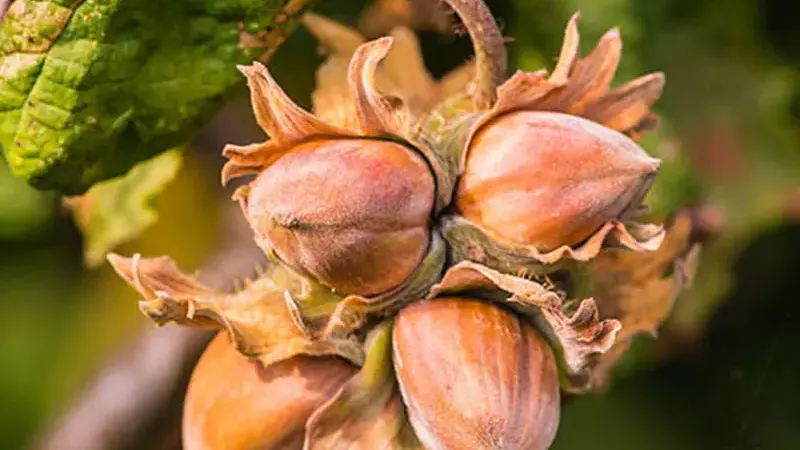
Natürliche Gesundheitskapsel: Warum Haselnüsse das wahre (Super-)Food des 21. Jahrhunderts sind
Eine kleine Nuss mit enormer Kraft
Seit jeher sind Haselnüsse ein geschätzter Bestandteil der menschlichen Ernährung. Schon unsere fernen Vorfahren ahnten instinktiv, was die moderne Wissenschaft heute durch präzise Laboranalysen bestätigt. Die Haselnuss ist nicht nur eine köstliche Zutat für Schokolade oder Weihnachtsgebäck; sie ist eine komplexe, biologisch hochaktive Matrix, die eine unglaubliche Menge an gesundheitsfördernden Stoffen in sich birgt.
Dank ihrer exklusiven Fettzusammensetzung, hochwertigen pflanzlichen Proteinen und einer reichen Ladung an Ballaststoffen, Vitaminen, Mineralien und sekundären Pflanzenstoffen verdient die Haselnuss zu Recht den Titel "Superfood". Tauchen wir ein in die Welt der Biochemie und finden wir heraus, wie genau der Verzehr dieser kleinen Frucht unsere Gesundheit transformieren, uns vor Zivilisationskrankheiten schützen und sogar den Alterungsprozess verlangsamen kann.
1. Makronährstoffe: Die energetische und bauliche Grundlage
Haselnüsse sind energetisch dichte Lebensmittel. Hundert Gramm Kerne liefern dem Körper etwa 600 bis 650 kcal (Köksal et al., 2006; Pourfarzad & Mehrpour, 2017). Diese Energie stammt jedoch nicht aus leeren Kalorien, sondern aus äußerst hochwertigen Makronährstoffen, die den Körper buchstäblich heilen.
Fette: Ein Triumph der einfach ungesättigten Fettsäuren (MUFA)
Lipide bilden den größten Teil des Haselnusskerns und machen 50 % bis 73 % seiner Trockenmasse aus. Die Zusammensetzung dieser Fette ist für die kardiovaskuläre Gesundheit geradezu ideal und ähnelt sehr der Zusammensetzung von hochwertigem Olivenöl. Die dominierende Komponente ist die Ölsäure (MUFA), die 76,7 % bis 82,8 % aller Fettsäuren ausmacht. Es folgt die essenzielle Linolsäure (PUFA) mit einem Anteil von etwa 9,2 % bis 13 %.
Haselnüsse enthalten auch Alpha-Linolensäure (ALA), eine wichtige Omega-3-Fettsäure, die der menschliche Körper nicht selbst synthetisieren kann und über die Nahrung aufnehmen muss. Das Verhältnis von mehrfach ungesättigten zu gesättigten Fettsäuren liegt bei Haselnüssen zwischen 1,23 und 2,87, was die diätetischen Empfehlungen weit übertrifft und sie zu einem idealen Lebensmittel zur Senkung des Cholesterinspiegels macht (Köksal et al., 2006).
Proteine und Ballaststoffe: Bausteine und der Besen für den Darm
Der Proteingehalt in Haselnüssen liegt zwischen 10 % und 24 %. Der Verzehr von 100 Gramm Haselnüssen kann etwa 22 % des täglichen Proteinbedarfs eines erwachsenen Menschen decken. Hinsichtlich ihres Aminosäureprofils sind sie besonders reich an essenziellen Aminosäuren, insbesondere Arginin und Leucin. Das Vorhandensein von L-Arginin ist entscheidend – im menschlichen Körper ist es die Vorstufe von Stickstoffmonoxid (NO), das die Blutgefäße erweitert, den Blutfluss verbessert und den Blutdruck senkt.
Kohlenhydrate machen 10 % bis 22 % des Kerns aus. Von grundlegender Bedeutung ist jedoch der Gehalt an Ballaststoffen (er reicht von 8,05 g bis 12,07 g pro 100 g). Ballaststoffe passieren den Verdauungstrakt ungelöst und wirken wie ein "Besen", der das System von Toxinen und Rückständen reinigt. Sie verhindern Verstopfung, verlangsamen die Aufnahme von Glukose ins Blut und binden Cholesterin im Darm, was hilft, die Blutgefäße sauber zu halten (Pourfarzad & Mehrpour, 2017).
2. Mikronährstoffe: Ein Vitamin- und Mineralien-Elixier
Das Königreich des Vitamin E
Haselnussöl ist eine außergewöhnliche Quelle für Vitamin E, wobei Alpha-Tocopherol die dominierende und biologisch aktivste Form ist. Sein Gehalt kann bis zu 41,9 mg pro 100 g extrahiertem Öl erreichen. Vitamin E ist ein starkes fettlösliches Antioxidans, das die Zellmembranen vor Schäden durch freie Radikale schützt, die Genexpression reguliert und entzündungsfördernde Signale im Körper unterdrückt (Di Nunzio, 2019). Darüber hinaus sind Haselnüsse reich an B-Vitaminen, Vitamin C und K.
Die perfekte Elektrolyt-Balance
Haselnüsse sind buchstäblich mit essenziellen Mineralien vollgepackt. Das am häufigsten vorkommende Element ist Kalium (bis zu 863 mg/100 g), gefolgt von Phosphor, Calcium und Magnesium. Besonders wichtig ist das hohe Verhältnis von Kalium zu Natrium (K/Na), das ideal zur Vorbeugung von Bluthochdruck ist. Hinsichtlich der Spurenelemente liefern sie signifikante Mengen an Eisen, Zink, Kupfer und Mangan. Besondere Aufmerksamkeit verdient Selen, das für die antioxidative Abwehr und eine ordnungsgemäße Schilddrüsenfunktion unerlässlich ist.
3. Sekundäre Pflanzenstoffe: Die Geheimwaffen der Haselnüsse
Zusätzlich zu den grundlegenden Nährstoffen enthalten Haselnüsse spezifische bioaktive Verbindungen, die sie auf die Stufe von Heilnahrungsmitteln heben.
Phytosterine: Diese pflanzlichen Sterine haben eine ähnliche Struktur wie Cholesterin. In Haselnüssen dominiert Beta-Sitosterin (das 83,6 % bis 90 % der Phytosterine ausmacht). Im Verdauungstrakt konkurrieren Phytosterine mit Cholesterin um den Platz in den gemischten Mizellen. Als Ergebnis verdrängen sie das Cholesterin, verringern seine Aufnahme ins Blut und erhöhen seine Ausscheidung über den Stuhl.
Squalen und Polyphenole: Haselnüsse enthalten große Mengen an Squalen (93 bis 885 mg/kg Öl). Dieser ungesättigte Kohlenwasserstoff wirkt als starker Fänger freier Radikale, schützt DNA und Lipide vor oxidativem Stress und zeigt signifikante chemopräventive (krebshemmende) Wirkungen. Darüber hinaus sind sie extrem reich an Phenolsäuren und Flavonoiden, deren regelmäßige Aufnahme mit der Prävention von entzündlichen Erkrankungen in Verbindung gebracht wird (Di Nunzio, 2019).
4. Klinisch erwiesene Vorteile für die menschliche Gesundheit
Kardiovaskulärer Schutz und das Paradoxon der Gewichtsabnahme
Klinische Studien bestätigen durchweg, dass eine mit Haselnüssen angereicherte Ernährung den Gesamtcholesterinspiegel und das "schlechte" LDL-Cholesterin signifikant senkt. Dank ihres hohen Gehalts an Antioxidantien reduzieren sie die Oxidation von LDL-Partikeln (um bis zu 15,7 %), was ein entscheidender Schritt bei der Vorbeugung von Atherosklerose (Plaquebildung in den Blutgefäßen) ist.
Obwohl Haselnüsse energiereich sind, zeigen klinische Tests, dass ihr regelmäßiger Verzehr nicht zu Fettleibigkeit beiträgt und sogar bei der Gewichtsabnahme helfen kann. Durch ihren niedrigen glykämischen Index, den hohen Ballaststoffgehalt und gesunde Fette verlangsamen sie die Glukoseaufnahme und verbessern so die Insulinsensitivität und die Blutzuckerkontrolle (entscheidend für Patienten mit Typ-2-Diabetes).
Neuroprotektion und Krebsprävention: Die synergistische Wirkung von Vitamin E, Folsäure, Thiamin und Polyphenolen macht Haselnüsse zu einer hervorragenden Nahrung für das Gehirn. Vitamin E besitzt neuroprotektive Eigenschaften, die dazu beitragen können, den Ausbruch neurodegenerativer Erkrankungen wie Alzheimer zu verzögern. Die Kombination aus Beta-Sitosterin, Squalen und Vitamin E stellt einen starken Schild gegen Krebs dar, wobei Studien auf eine schützende Wirkung insbesondere bei Brust-, Darm- und Prostatakrebs hinweisen.
Schönheit von innen: Der hohe Gehalt an Proteinen, Zink und Selen unterstützt die Gesundheit der Kopfhaut und hilft, Haarausfall vorzubeugen. Bioaktive Verbindungen und Antioxidantien schützen die Haut vor schädlicher UV-Strahlung, verlangsamen die sichtbaren Zeichen der Hautalterung und reduzieren Falten. Das reichhaltige Nährstoffprofil unterstützt zudem die reproduktive Gesundheit und Fruchtbarkeit bei Frauen.
Fazit
Haselnüsse sind ein Meisterwerk der Natur. Sie sind nicht einfach nur eine Kalorienquelle, sondern ein ausgeklügeltes Paket bioaktiver Substanzen, die im menschlichen Körper in perfekter Synergie zusammenwirken. Von der Reinigung unserer Blutgefäße von gefährlichem Cholesterin über den Schutz unserer DNA vor oxidativem Stress bis hin zur Ernährung von Gehirn und Haut – Haselnüsse bieten breitbandige metabolische und kardiovaskuläre Vorteile.
Die Integration einer kleinen Handvoll (etwa 30 Gramm) ungesalzener, idealerweise roher oder nur leicht gerösteter Haselnüsse in die tägliche Ernährung ist ein einfacher, köstlicher und wissenschaftlich fundierter Schritt zu einem längeren und gesünderen Leben.
Bauen Sie Ihre eigene tägliche Dosis Gesundheit an
Sehen Sie sich unser Angebot an Premium-Haselnüssen an ➤
Interessieren Sie sich für die Wissenschaft hinter dem Anbau gesunder Nüsse?
Treten Sie unserer Community bei und diskutieren Sie mit Experten.
Treten Sie der VIP-Facebook-Gruppe HIER bei ➤