








































Anthocyane in Obst und Gemüse: So gehen sie beim Einkochen nicht verloren
Der lila Elixier in Gefahr
Wie Sie beim Einkochen, Kochen und Backen die wertvollsten Antioxidantien aus Obst und Gemüse bewahren
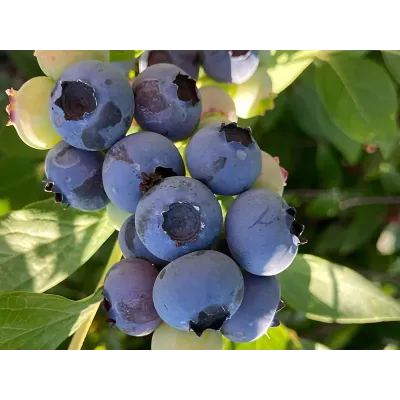
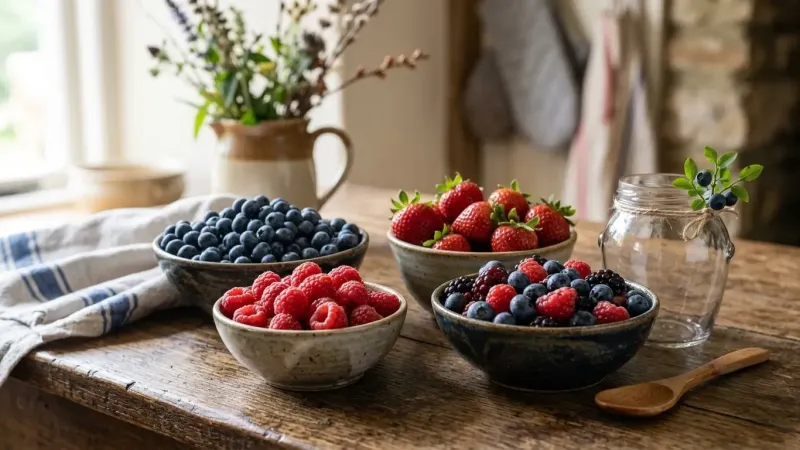
Der Anblick einer Schale voller frischer Heidelbeeren, dunkler Kirschen oder eines satt-lila Rotkohlkopfes ist eine Freude für das Auge. Diese tiefe, kräftige Farbe ist jedoch kein Zufall der Natur, sondern der sichtbare Beweis für Anthocyane - einige der stärksten Antioxidantien, die wir kennen. Wissenschaftler nennen sie manchmal die „Farbstoffe der Jugend“. Sie schützen die Blutgefäße und das Gehirn und helfen, Entzündungen im Körper zu dämpfen.
Doch was passiert mit dieser lila Kraft, wenn Kirschen im Einmachglas landen und Rotkohl ins kochende Wasser wandert? Anthocyane sind außerordentlich empfindlich, und ohne Kenntnis einiger einfacher Regeln können selbstgemachtes Kompott und gekochtes Gemüse nur noch ein blasser Schatten ihrer ursprünglichen Kraft sein. Sehen wir uns an, wie Sie diesen lila Schatz beim Einkochen, Kochen und Backen retten können.
Was Anthocyane sind und wo man sie findet
Anthocyane sind wasserlösliche Pigmente, die einer Vielzahl von Kulturpflanzen ihre rote, blaue und lila Farbe verleihen. Gesundheitlich betrachtet wirken sie als Fänger freier Radikale, schützen die DNA vor Schäden, verbessern die Elastizität der Blutgefäße und zeigen ausgeprägte entzündungshemmende Wirkungen.
Anthocyane wirken als Fänger freier Radikale, schützen die DNA vor Schäden und verbessern die Elastizität der Gefäße. Wissenschaftliche Arbeiten schreiben ihnen zudem ausgeprägte entzündungshemmende und krebshemmende Wirkungen zu (Muzamail et al., 2025). Im Gegensatz zu Carotinoiden, die Hitze recht gut vertragen, haben Anthocyane zwei entscheidende Schwächen - sie sind wasserlöslich und äußerst empfindlich gegenüber Hitze und pH-Wert-Änderungen (Nayak et al., 2015).
Einkochen: die Anatomie eines Obstkompotts
Das Einkochen von Kirschen, Sauerkirschen, Heidelbeeren oder Himbeeren gehört zu den tief verwurzelten Traditionen. Wissenschaftlich betrachtet ist es jedoch ein Prozess, der Anthocyane einer harten Belastungsprobe unterzieht.
Hitzezerstörung
Bei der Sterilisation bei Temperaturen von 80 bis 100 °C werden die Anthocyan-Moleküle geschädigt - die Hitze öffnet ihre chemische Struktur (den sogenannten Pyrylium-Ring), und der Farbstoff verwandelt sich in farblose bis bräunliche Verbindungen, die Chalkone genannt werden (Nayak et al., 2015). Deshalb verblasst Kompott mit der Zeit. Bei der Hitzebehandlung von Beerenobst kann es zu einem Verlust von 20 bis 80 % des ursprünglichen Anthocyangehalts kommen, abhängig von Temperatur und Einwirkzeit.
|
80–100 °C
Sterilisationstemperatur für Kompott
|
20–80 %
Anthocyanverlust bei Hitzebehandlung von Beeren
|
>50 %
Verlust beim Kochen von lila Gemüse in Wasser
|
← Tabelle seitlich wischen →
Auslaugung in den Sud
Da Anthocyane wasserlöslich sind, wandern sie beim Einkochen und bei der Lagerung massiv aus den Fruchtzellen direkt in den Zuckersud (Alshallash et al., 2023). Wenn Sie nach dem Öffnen des Glases nur das Obst essen und den Saft weggießen, verlieren Sie einen großen Teil der Antioxidantien, die dorthin ausgetreten sind.
So retten Sie Ihr Kompott
Säure als Schutzschild: Zitronensäure stabilisiert Anthocyane und schützt sie vor Hitzezerstörung - geben Sie sie in den Sud.
Trinken Sie auch den Saft: der Sud eines dunklen Kompotts ist voller Antioxidantien - gießen Sie ihn nicht weg.
Dunkel und kühl lagern: Licht und Zimmertemperatur beschleunigen den Abbau - Kompott gehört in den dunkelsten und kühlsten Teil des Kellers.
Gemüse kochen und backen: wie man Rotkohl nicht sabotiert
Während Obst meist eingekocht wird, wird lila Gemüse - Rotkohl oder lila Kartoffeln - am häufigsten gekocht, gedünstet oder gebacken. Genau hier zeigt sich die Tücke des Wassers in voller Härte.
Der schlechteste Fall: Kochen in Wasser
Wenn Sie geschnittenen Rotkohl oder lila Kartoffeln in reichlich Wasser kochen, gehen Anthocyane massiv in das Kochwasser über - die Verluste können 50 % übersteigen. Das Gemüse bleibt verblasst und arm an Antioxidantien zurück (Nayak et al., 2015).
Wenn Sie lila Gemüse im Ofen backen oder mit wenig Wasser in der Mikrowelle zubereiten, wird der Auslaugungseffekt nahezu ausgeschaltet. Hitze verursacht zwar weiterhin einen gewissen Abbau der Anthocyane, doch die Verluste sind wesentlich geringer als beim Kochen in Wasser, da die Farbstoffe nirgendwo hin entweichen können und in der Struktur der Pflanze verbleiben.
Anthocyanverlust nach Verarbeitungsmethode
| Kochen von Gemüse in reichlich Wasser | über 50 % |
| Hitzesterilisation (Einkochen) von Beerenobst | 20–80 % |
Die Prozentwerte zeigen den Anteil der verlorenen Anthocyane im Vergleich zum ursprünglichen Gehalt auf einer Skala von 0–100 %.
← Seitlich wischen →
So retten Sie lila Gemüse
Essig oder Apfel: ein saures Milieu stabilisiert Anthocyane sofort, sodass der Kohl auch nach dem Dünsten seine kräftige Farbe behält.
Dampfgaren: minimiert den direkten Kontakt mit Wasser und reduziert dadurch die Auslaugung von Antioxidantien deutlich.
Vorsicht bei Auberginen
Die Anthocyane der Aubergine (vor allem eine Substanz namens Nasunin) befinden sich ausschließlich in ihrer dunklen Schale - das Fruchtfleisch enthält keine. Wenn Sie eine Aubergine vor der Zubereitung schälen, verlieren Sie den gesamten Gehalt. Verarbeiten Sie sie deshalb immer mit Schale.
Wie man lila Lebensmittel schonend verarbeitet
| Lebensmittel | Empfohlene Zubereitung | Hinweis |
|---|---|---|
| Kirschen, Sauerkirschen, Heidelbeeren | Einkochen mit Zitronensäure | Sud trinken, nicht verschwenden |
| Rotkohl | Dünsten mit Essig oder Apfel | Verliert ohne Säure die Farbe |
| Lila Kartoffeln | Backen oder Dampfgaren | Kochen in reichlich Wasser vermeiden |
| Aubergine | Backen mit Schale | Nicht schälen - Anthocyane sind nur in der Schale |
← Tabelle seitlich wischen →
Kurzüberblick: was tun und was vermeiden
Geben Sie Zitronensäure oder Essig in den Sud oder zum gedünsteten Gemüse.
Backen oder dämpfen Sie lila Gemüse, statt es zu kochen.
Lagern Sie Kompott und Eingemachtes dunkel und kühl.
Trinken Sie auch den Kompottsud - er ist voller Antioxidantien.
Kochen Sie lila Gemüse nicht in reichlich Wasser.
Schälen Sie keine Auberginen - Sie würden die Anthocyane vollständig verlieren.
Anthocyane wirken als Fänger freier Radikale und zeigen ausgeprägte entzündungshemmende Wirkungen (Muzamail et al., 2025).
Fazit
Die lila Kraft von Beerenobst und dunklem Gemüse ist nicht unzerstörbar. Anthocyane sind empfindliche Moleküle, die in heißem Wasser und ohne den richtigen pH-Wert schnell an Kraft verlieren. Die Wissenschaft gibt uns jedoch eine klare Anleitung, wie wir dieses „Elixier der Jugend“ auch zu Hause schützen können.
Wenn Sie das nächste Mal Kirschen einkochen, vergessen Sie die Zitronensäure nicht, und trinken Sie im Winter auch gerne den Sud. Wenn Sie Rotkohl dünsten, gönnen Sie ihm eine ordentliche Portion Essig, und backen Sie lila Kartoffeln lieber, statt sie im Topf mit Wasser zu kochen. Die Verarbeitung von Lebensmitteln zu Hause muss keinen Nährstoffverlust bedeuten - wenn wir die Grundregeln der Biochemie kennen, wird unsere Küche zu einem Ort, an dem wir Gesundheit nicht nur zubereiten, sondern vor allem bewahren.
Wählen Sie Sorten reich an AnthocyanenIn unserem Shop finden Sie Kirschen, Heidelbeeren, Johannisbeeren und weitere Sorten, die Ihrem Garten nicht nur eine reiche Ernte, sondern auch starke Antioxidantien direkt vom Strauch bringen. Sorten entdecken |
Werden Sie Teil unserer CommunityTauschen Sie Erfahrungen beim Anbau aus, stellen Sie Fragen zu Sorten und teilen Sie Ihre Ernte in unserer Facebook-Community voller begeisterter Obstgärtner, diskutieren Sie mit Experten und erhalten Sie als Erste Zugang zu neuen Artikeln. Auf Facebook beitreten |