
































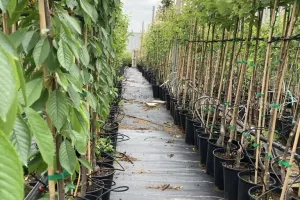

Extremer Frost und tropisches Aroma: Der ultimative Ratgeber zu 11 nordischen Rebsorten, die den Weinbau verändern

Extremer Frost und tropisches Aroma: Der ultimative Ratgeber zu 11 nordischen Rebsorten, die den Weinbau verändern
Der Weinbau ist längst kein Privileg des sonnigen Mittelmeerraums mehr. Dank jahrzehntelanger beharrlicher Arbeit von Züchtern in Lettland, Litauen und Russland gibt es heute Rebsorten, die arktische Winter überleben, fast keine Spritzmittel benötigen und selbst in Gebieten mit extrem kurzen Sommern Erträge bringen. Und das Beste daran? Ihr Geschmack ist alles andere als langweilig.
Durch die Kreuzung europäischer Reben mit wilden amerikanischen (Vitis labrusca) und sibirischen (Vitis amurensis) Arten entstanden genetische Unikate. Diese Trauben duften nach Erdbeeren, Ananas oder Heidelbeeren und ihr Zuckergehalt ermöglicht die Herstellung hervorragender Weine. Wir präsentieren Ihnen 11 elitäre nordische Sorten, unterteilt nach Farbe und Verwendungszweck, damit Sie das perfekte Juwel für Ihre Pergola oder Ihren Obstgarten auswählen können.
„Während klassische Sorten bei -20 °C erfrieren und Dutzende von Spritzungen pro Jahr erfordern, können diese baltischen und russischen Hybriden bei -30 °C ungeschützt am Spalier überwintern, und viele von ihnen lassen sich in absoluter BIO-Qualität anbauen.“
Kategorie I: Weiße und gelbe Sorten (Erfrischung und Muskat)
1. 'Supaga' (Lettland): Die Königin des Baltikums
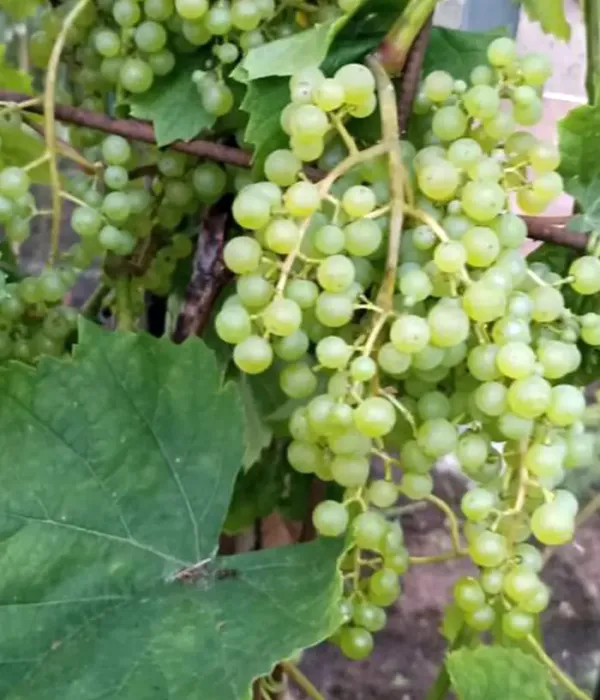
Ein Werk des berühmten P. Sukatnieks. Es ist eine weltweit anerkannte Sorte, die von Skandinavien bis in die USA angebaut wird. Ideal für den Frischverzehr und die Weinherstellung.
- Widerstandsfähigkeit: Extreme Frosthärte bis -25 °C (ohne Winterschutz). Erhöhte Krankheitsresistenz (bei starkem Infektionsdruck empfehlen wir jedoch Prävention).
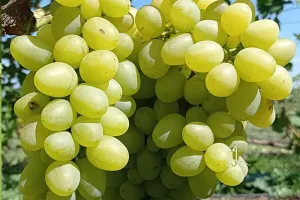
- Früchte: Große Beeren (bis zu 4,8 g) in attraktiven gelbgrünen Trauben.
- Geschmack: Süß, köstlich, mit außergewöhnlichem Aroma (der unangenehme Beigeschmack der wilden Labrusca ist hier fast vollständig unterdrückt).
2. 'Sukribe' (Lettland): Die Schwester für alle Fälle
Die direkte Schwestersorte von 'Supaga'. Sie zeichnet sich durch ein besonders üppiges Wachstum aus, was sie zum idealen Kandidaten für die Beschattung von Pergolen macht.
- Geschmack und Aroma: Der Zuckergehalt erreicht fast 19 %. Im Gegensatz zu Supaga hat Sukribe ein stärker ausgeprägtes spezifisches Aroma, typisch für die amerikanische Labrusca, was sie für Produzenten unkonventioneller Weine sehr interessant macht.
- Eigenschaften: Übersteht Fröste bis -30 °C und ist so vital, dass sie auch Überlastung durch zu hohen Ertrag verkraftet.
3. 'Sėlė' (Litauen): Tropisches Parfüm im Garten
Wenn Sie duftende Trauben lieben, ist dies Ihre Wahl. Schon im Vorbeigehen am Strauch nehmen Sie das Aroma wahr.
Extremes Muskat-Aroma
Das Fruchtfleisch von 'Sėlė' verbirgt einen starken Muskatduft mit Noten von tropischen Früchten. Daraus lässt sich ein hervorragender junger Wein mit floralem Profil herstellen. Der Strauch verträgt -30 °C, neigt jedoch zur Verdichtung, was gewissenhaftes Auslichten im Sommer und eine Reduzierung der Trauben erfordert.
4. 'Skujiņa 675' (Moskovskij Ustojtschivij): Ananaswein aus Moskau
Ein komplexer Hybrid aus vier verschiedenen Rebenarten. Ein „Arbeitstier“, das keinen Winterschutz benötigt (bis -30 °C) und eine riesige Menge kleinerer Trauben trägt.
- Verwendung: In Lettland eine der besten Keltersorten für hellen, bernsteinfarbenen Wein.
- Aroma: In heißen Jahren (Wärmesumme über 2000 °C) entfaltet sie voll ihren köstlichen Ananas-Muskat-Geschmack (Zuckergehalt bis zu 23 %). Stecklinge bewurzeln schlecht.
5. 'Cīravas agrā' (Lettland): Der Verkostungs-Champion
Eine Kreuzung mit der Amur-Rebe. Bei lettischen Verkostungen erreichte sie in Konkurrenz zu 240 Proben die Spitzenplätze.
- Frühzeitigkeit: Extrem früh (90 Tage), benötigt ein Minimum an Wärme zur Reife.
- Geschmack: Die goldenen Beeren haben eine dünne Schale, fast unsichtbare Kerne und einen perfekten Muskatgeschmack. Hochgradig resistent gegen Krankheiten (BIO-Anbau möglich). Achtung, die Frosthärte beträgt „nur“ -24 °C, in den kältesten Gebieten besser abdecken.
Kategorie II: Rote und rosafarbene Sorten (Erdbeernoten)
6. 'Širvinta' (Litauen): Weltweit anerkanntes Original
Die einzige litauische Sorte, die im internationalen VIVC-Katalog eingetragen ist. Wächst üppig und reift so schnell, dass sie selbst im kürzesten Sommer ausreift.
Perfekt für die Pergola
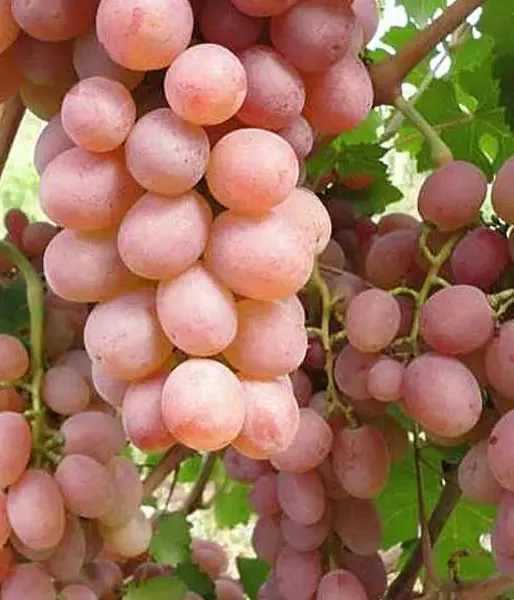
Die Trauben sind wunderschön – sie spielen in Farben von Dunkelrosa bis Bläulich mit orangefarbenem Unterton. Das Fruchtfleisch ist leicht gallertartig (ein Merkmal der Labrusca) und der Geschmack hat ein ausgeprägtes fruchtiges Erdbeerprofil. Hervorragende Resistenz gegen Frost (-28 °C) und Krankheiten.
7. 'Jadviga' (Litauen): Honig-Erdbeere
Eine Sorte, die nach der Frau des Züchters benannt wurde. Sie bildet große, ledrige Blätter (auch für die Gastronomie geeignet) und überrascht mit einem intensiven Erdbeer-Honig-Aroma. Der Zuckergehalt erreicht 17,5 % bei sehr niedrigem Säuregehalt.
- Achtung für Anbauer: Sie hat funktionell weibliche Blüten! Sie benötigt zwingend einen Nachbarn (Bestäuber), der zur gleichen Zeit blüht. Wenn sie bestäubt wird, trägt sie reichlich. Ideal für raue Regionen (-30 °C).
8. 'Rasa' (Lettland): Zarte rote Backe
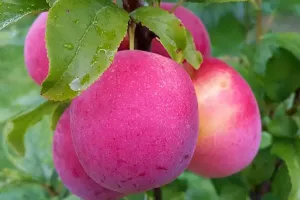
Eine helle Traube, die in der Sonne einen schönen rosa-rötlichen Hauch annimmt. Reift bereits im August und das Holz verträgt -30 °C. Geschmacklich erinnert sie an Erdbeeren oder Ananas, aber das Aroma ist sehr fein und unaufdringlich. Das Fleisch ist leicht gallertartig. Kommt mit einem Minimum an Spritzmitteln aus.
Kategorie III: Dunkle und blaue Sorten (Für den Tisch und das Fass)
9. 'Juodupė' (Litauen): Die Früheste der Frühen
Absolute Sicherheit für Anfänger und für kalte Täler. Reift in nur 90 Tagen (Anfang August). Es ist eine üppig wachsende, selbstfruchtbare Sorte, winterhart bis -30 °C.
- Früchte: Dunkelblau, saftig. Der Geschmack ist süß mit Erdbeer-Heidelbeer-Aroma und sehr niedrigem Säuregehalt.
- Verwendung: Hervorragend zum Essen. In der Weinherstellung wird sie in Cuvées verwendet (verleiht einen tollen Erdbeerduft). Achtung, aufgrund der frühen Reife sehr attraktiv für Wespen und Vögel.
10. 'Guna' (Lettland): Die dunkle Schwester der Supaga
Eine weitere Sorte von P. Sukatnieks. Bringt mittelgroße, dicht gepackte Trauben mit großen (5 g) dunkel rot-braunen Beeren hervor. Der Geschmack ist sehr süß. Frosthart bis -25 °C.
Bestäuber zwingend erforderlich
Genau wie 'Jadviga' hat auch 'Guna' funktionell weibliche Blüten. Für eine Ernte müssen Sie sie neben eine andere Sorte pflanzen (zum Beispiel zu 'Supaga' oder 'Juodupė').
11. 'Pino mitschurinskij' (Russland): Pinot Noir bis -34 °C
Diese Kreuzung aus Pinot Noir und der sibirischen Vitis amurensis ist ein Meisterwerk. Sie hat Fröste von -34 °C ohne Abdeckung überstanden und bewältigt Spätfröste, auch wenn sie bereits ausgetrieben hat!
- Geschmack und Verarbeitung: Erreicht bis zu 23 °Brix Zucker, wirkt aber aufgrund des hohen Glukoseanteils beim Essen nicht übersüßt. Es ist ein erstklassiger Rohstoff für die Herstellung von Rotwein und Spitzen-Destillaten (Brandy).
- Bonus: Kann im September an den Geiztrieben eine zweite, kleinere Ernte bringen.
Schneller Auswahlschlüssel: Was soll man pflanzen?
| Ihre Priorität | Empfohlene Sorten aus unserer Auswahl |
|---|---|
| Höchste Frosthärte (-30°C und mehr) | Pino mitschurinskij, Skujiņa 675, Juodupė, Jadviga |
| Intensives, exotisches Aroma (Muskat, Erdbeere) | Sėlė (tropischer Muskat), Jadviga (Honig/Erdbeere), Cīravas agrā |
| Extrem frühe Reife (bis Anfang August) | Cīravas agrā, Juodupė |
| Wein- / Destillatherstellung | Pino mitschurinskij (rot), Skujiņa 675 (weiß), Supaga |
| Kletterpflanzen für die große Pergola (üppiger Wuchs) | Širvinta, Sukribe, Supaga |
Fazit
Vergessen Sie die Vorurteile, dass Trauben im Norden nicht reifen. Diese 11 Sorten beweisen, dass die Verbindung der europäischen Tradition mit der Kraft der sibirischen und amerikanischen Wildnis Pflanzen hervorgebracht hat, die den Weinbau in völlig neue Dimensionen führen. Achten Sie jedoch immer auf die Sorten 'Guna' und 'Jadviga' – diese Damen brauchen einen Partner zum Überleben.
Begrünen Sie Ihre Pergola mit Spitzen-Sorten
Sehen Sie sich unser Angebot an frostharten Reben an ➤
Haben Sie Fragen zu Schnitt und Bestäubung?
Schließen Sie sich unserer Community an und lassen Sie sich von erfahrenen Anbauern beraten.
Treten Sie HIER der VIP Facebook-Gruppe bei ➤
Verwandte Produkte