











































Grüner Schatz im Gras: Warum unreife Aprikosen eine Antioxidantien-Bombe sind
Grüner Schatz im Gras: Warum sind weggeworfene unreife Aprikosen die größte Antioxidantien-Bombe im Obstgarten?
Abfall, der wertvoller ist als die Ernte
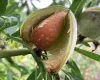
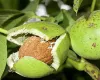
Stellen Sie sich einen Aprikosengarten im Frühling vor. Die Bäume sind übersät mit Tausenden von kleinen, harten, grünen Früchten. Damit der Bauer am Ende des Sommers große, saftige und süße Aprikosen ernten kann, muss er einen radikalen Schritt tun – die sogenannte Ausdünnung durchführen. Gnadenlos pflückt er eine riesige Menge unreifer Früchte und wirft sie zu Boden, damit die verbleibenden genug Nährstoffe und Platz zum Wachsen haben. Diese grünen Aprikosen bleiben im Gras liegen, wo sie als wertloser landwirtschaftlicher Abfall verrotten.
Was aber, wenn ich Ihnen sage, dass der Bauer aus biochemischer Sicht gerade das Wertvollste weggeworfen hat, was der Baum produziert hat? Die moderne Lebensmittelwissenschaft und Pharmakognosie (die Lehre von Arzneimitteln pflanzlichen Ursprungs) haben kürzlich ein schockierendes Paradoxon aufgedeckt: Diese kleinen, sauren und ungenießbaren Früchte enthalten ein Vielfaches an Vitalstoffen und Antioxidantien im Vergleich zu den perfekt reifen, süßen Aprikosen, die wir im Laden kaufen. Dieser Fachartikel führt Sie in die Mikrowelt der Pflanzenphysiologie und zeigt Ihnen, warum der "Abfall" nach dem Ausdünnen zum begehrtesten Rohstoff für die Pharma- und Nutrazeutikaindustrie wird.
1. Ausdünnung: Ein notwendiges Übel für die perfekte Ernte
Um zu verstehen, warum so viele grüne Aprikosen auf dem Boden liegen, müssen wir uns die agronomische Praxis ansehen. Die Aprikose (Prunus armeniaca L.) hat eine natürliche Neigung zu übermäßigem Fruchtansatz (sog. over-cropping) (Siddiq et al., 2012). Würde der Baum alle Früchte behalten, wäre das Ergebnis eine Ernte von winzigen, minderwertigen Aprikosen, und der Baum wäre so erschöpft, dass er im folgenden Jahr möglicherweise gar keine Früchte tragen würde (ein Phänomen, das als Alternanz bekannt ist).
Deshalb wird die Ausdünnung durchgeführt. Es wird empfohlen, bei starkem Fruchtansatz einen Abstand von 4 bis 8 cm zwischen den Früchten und bei schwächerem Ansatz 4 bis 5 cm einzuhalten, wobei an einem Fruchttrieb nur zwei bis drei Früchte verbleiben sollten (Siddiq et al., 2012). Diese Maßnahme muss spätestens 40 Tage nach der Vollblüte erfolgen (Siddiq et al., 2012).
Die Ausdünnung hat nachweislich einen positiven Einfluss auf die pomologischen Eigenschaften (Größe, Gewicht) der verbleibenden Früchte. Sie verbessert ihr Aussehen, ihren Geschmack und erhöht sogar die Konzentration von sekundären Pflanzenstoffen in der reifen Frucht (Xi & Lei, 2020).
Der Preis für Qualität
Der Preis für diese Qualität ist jedoch eine riesige Menge an entfernten, unreifen Früchten (thinned apricots), die traditionell als reiner Abfall betrachtet werden und auf Mülldeponien oder in Verbrennungsanlagen landen, was Umweltprobleme verursacht (González-García et al., 2020).
2. Biochemisches Paradoxon: Warum ist grün besser als orange?
Als Wissenschaftler begannen, die chemische Zusammensetzung dieses "Abfalls" zu analysieren, waren sie schockiert. Sie stellten fest, dass der Gehalt an Polyphenolen (den stärksten pflanzlichen Antioxidantien) während des Lebens der Frucht nicht konstant ist. Im Gegenteil, er folgt einer strengen Entwicklungskurve.
Die Polyphenol-Kurve: Forschungen haben eindeutig gezeigt, dass unreife Früchte (immature fruits) den absolut höchsten Gehalt an Polyphenolen aufweisen (Xi & Lei, 2020). Wenn die Frucht wächst und in das halbreife Stadium (semi-mature) übergeht, sinkt der Gehalt dieser wertvollen Stoffe dramatisch. Im Stadium der vollen kommerziellen Reife (wenn wir die Aprikose kaufen) ändert sich der Polyphenolgehalt nicht mehr wesentlich und bleibt bei einem Bruchteil der ursprünglichen Werte (Xi & Lei, 2020).
Dieses Phänomen ist aus Sicht der pflanzlichen Evolution logisch. Polyphenole (wie Phenolsäuren und Flavonoide) dienen der Pflanze als primärer Abwehrmechanismus gegen Krankheitserreger, UV-Strahlung und Insekten (Fatima et al., 2018). Die junge, sich entwickelnde Frucht ist am verletzlichsten, weshalb der Baum sie mit der maximalen Dosis dieser Schutzstoffe "vollpumpt". Wenn die Frucht reift, ist ihre Priorität nicht mehr die Verteidigung, sondern das Anlocken von Tieren (durch süßen Geschmack und Farbe), um die Samen zu verbreiten.
3. Zahlen, die einem den Atem rauben: Analyse der ausgedünnten Aprikosen
Um das Ausmaß dieses antioxidativen Schatzes zu verstehen, werfen wir einen Blick auf konkrete Zahlen aus Laboranalysen. In einer der Schlüsselstudien extrahierten Wissenschaftler Polyphenole aus ausgedünnten (thinned) Aprikosen mithilfe einer Mischung aus Methanol und Wasser sowie einem Homogenisator (Ultraturrax) (González-García et al., 2020).
Gesamtphenolgehalt (TPC): Die Ergebnisse zeigten, dass ausgedünnte Aprikosen einen extrem hohen Gesamtphenolgehalt erreichen – bis zu 932 mg Gallussäureäquivalent pro 100 g (González-García et al., 2020).
Zum Vergleich:
- Reife frische Aprikosen enthalten in der Regel nur 50 bis 563 mg/100 g (Fatima et al., 2018).
- Aprikosentrester (Abfall aus der Saftherstellung) enthält nur etwa 120 mg/100 g (González-García et al., 2020).
- Aprikosenkernöl enthält nur Bruchteile dieser Menge (González-García et al., 2020).
Detailliertes Antioxidantien-Profil in unreifen Früchten (pro 100 g Trockenmasse):
Gesamtflavonoide
772 mg
(Catechin-Äquivalent)
Hydroxyzimtsäuren
667 mg
(entscheidend für den Schutz vor oxidativem Stress)
Chlorogensäure
434 mg
(Hauptantioxidans, Blutzuckerregulierung)
Flavan-3-ole und Proanthocyanidine
304 mg
(starke Beschützer von Blutgefäßen und Herz)
Neochlorogensäure erreichte einen Wert von 165 mg (González-García et al., 2020). Interessanterweise wiesen alle diese individuellen Polyphenolverbindungen in den ausgedünnten Aprikosen deutlich höhere Konzentrationen auf als in jedem anderen Aprikosenabfall (Trester, Öl), mit Ausnahme der Flavonole, die ähnliche Konzentrationen aufwiesen (González-García et al., 2020).
4. Extreme antioxidative Kapazität in der Praxis
Der hohe Gehalt an Polyphenolen schlägt sich direkt in einer enormen Kraft zur Neutralisierung freier Radikale nieder – Moleküle, die in unserem Körper Alterung, Krebs und Herz-Kreislauf-Erkrankungen verursachen (Fatima et al., 2018).
Extrakte aus ausgedünnten Aprikosen zeigten in Labortests eine außergewöhnlich hohe antioxidative Kapazität:
- DPPH-Test (Fähigkeit zum Abfangen von Radikalen): 31,93 mg Trolox/g (González-García et al., 2020).
- FRAP-Test (Fähigkeit zur Eisenreduktion): 20,73 mg Trolox/g (González-García et al., 2020).
Diese Werte machen unreife Aprikosen zu einer der stärksten natürlichen Quellen für Antioxidantien, die wir aus Obstgärten gewinnen können.
5. Die Zukunft: Abfall als Premium-Rohstoff
Was machen wir mit diesem grünen Schatz? Ihn im Gras verrotten zu lassen, ist aus Sicht der modernen Wissenschaft und der Kreislaufwirtschaft eine inakzeptable Verschwendung.
Ausgedünnte Aprikosen stellen einen idealen, billigen und massenhaft verfügbaren Rohstoff für die Pharma-, Kosmetik- und Nutrazeutikaindustrie dar (González-García et al., 2020). Extrakte aus diesen unreifen Früchten können verwendet werden zur Herstellung von:
- Hochkonzentrierten Nahrungsergänzungsmitteln gegen Alterung und oxidativen Stress.
- Natürlichen Konservierungsmitteln für Lebensmittel (als Ersatz für synthetische Antioxidantien).
- Wirkstoffen für Anti-Aging-Kosmetik (Cremes und Seren).
Fazit
Die Geschichte der unreifen Aprikosen ist ein perfektes Beispiel dafür, wie uns die Natur überraschen kann, wenn wir sie durch die Linse der Wissenschaft betrachten. Was Landwirte jahrhundertelang als notwendigen Abfall und Hindernis auf dem Weg zur perfekten Ernte ansahen, ist in Wirklichkeit die konzentrierteste Essenz der Gesundheit, die ein Aprikosenbaum produzieren kann.
Wenn Sie das nächste Mal im Frühling durch einen Aprikosengarten spazieren und den Boden übersät mit kleinen, harten, grünen Früchten sehen, denken Sie nicht an Abfall. Denken Sie daran, dass Sie auf einem Teppich aus reinen Antioxidantien, Chlorogensäure und Flavonoiden liegen. Es ist nur eine Frage der Zeit, bis wir aufhören, diesen "grünen Schatz" in den Boden zu treten, und anfangen, ihn als die wertvollste Ernte zu sammeln.
Bauen Sie Ihre eigenen gesunden und ertragreichen Aprikosen an
Sehen Sie sich unser Angebot an Premium-Aprikosensorten an ➤
Interessieren Sie sich für die Wissenschaft hinter dem Obstanbau und der Ernährung?
Treten Sie unserer Community bei und diskutieren Sie mit Experten.
Treten Sie der VIP-Facebook-Gruppe HIER bei ➤