




































Akebia: Alles über den Anbau, den Geschmack, die gesundheitlichen Vorteile und die Zukunft dieser Superfrucht
Akebie: Der umfassende Leitfaden zur "Wilden Banane", die das Potenzial hat, die Zukunft der Ernährung zu verändern
In den Wäldern Ostasiens wächst eine geheimnisvolle Liane, deren Früchte von den Einheimischen "wilde Banane" oder poetisch "Bayuezha" genannt werden – die Frucht, die im achten Mondmonat aufplatzt. Die Rede ist von der Akebie, einer Pflanze, die seit Jahrhunderten in der traditionellen Medizin dient und heute als äußerst vielversprechende Kulturpflanze der Zukunft in den Fokus der Wissenschaft rückt.
„Hinter ihrem köstlichen, süßen Geschmack verbirgt sich eine unglaubliche ernährungsphysiologische und pharmakologische Kraft. Die moderne Wissenschaft enthüllt, dass jeder Teil der Frucht – vom Fruchtfleisch über die Schale bis zu den Samen – eine einzigartige natürliche Apotheke darstellt.“
Entdecken Sie mit uns die Geheimnisse dieser faszinierenden Pflanze. Wir führen Sie durch ihre Botanik, ihren unglaublichen chemischen Reichtum und zeigen Ihnen, warum die Akebie das Potenzial hat, ein neuer Star auf dem globalen Markt zu werden.
1. Was ist die Akebie? Die Geheimnisse des "Schokoladenweins"
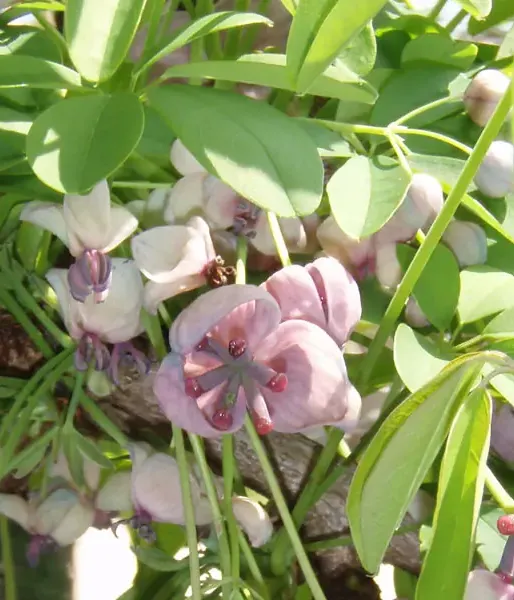
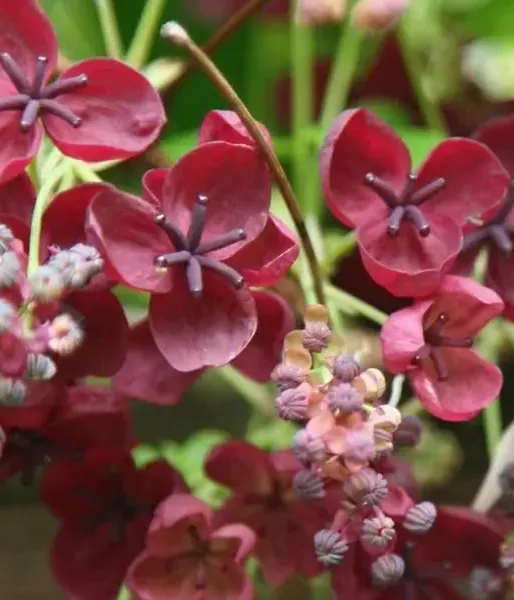
Die Gattung Akebie gehört zur Familie der Lardizabalaceae und umfasst fünf Arten laubabwerfender Lianen aus Ostasien. Am bekanntesten sind die Akebia trifoliata mit drei Blättchen, die kommerziell am vielversprechendsten ist, und die Akebia quinata mit fünf Blättchen, die wegen ihrer duftenden Blüten oft als Zierpflanze, der "Schokoladenwein", angebaut wird.
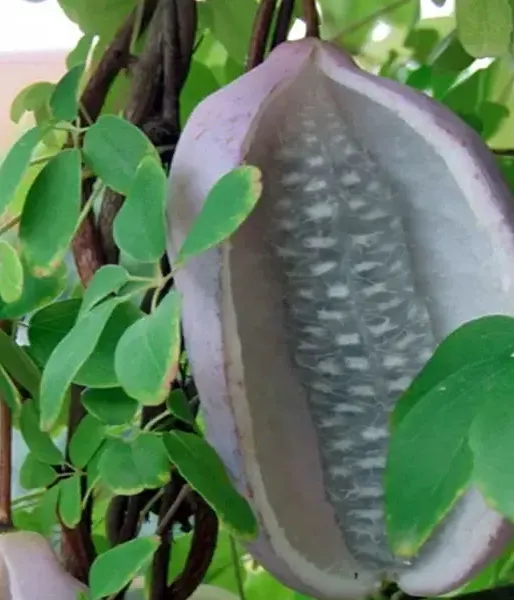
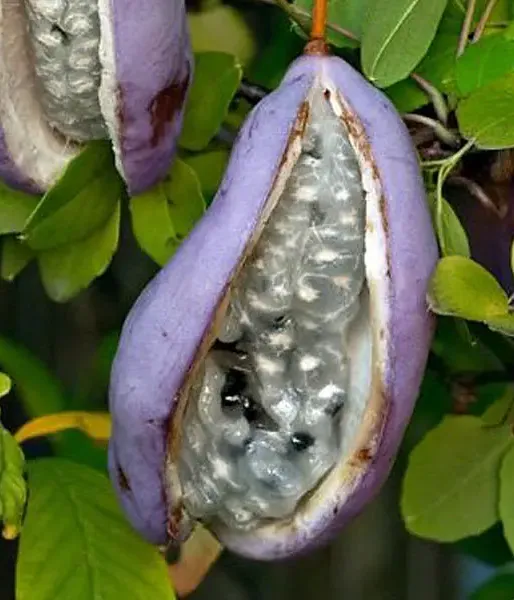
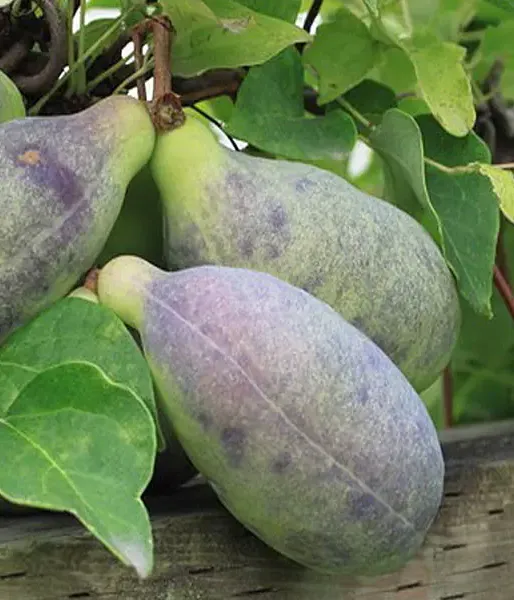
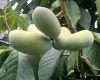
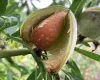
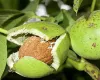
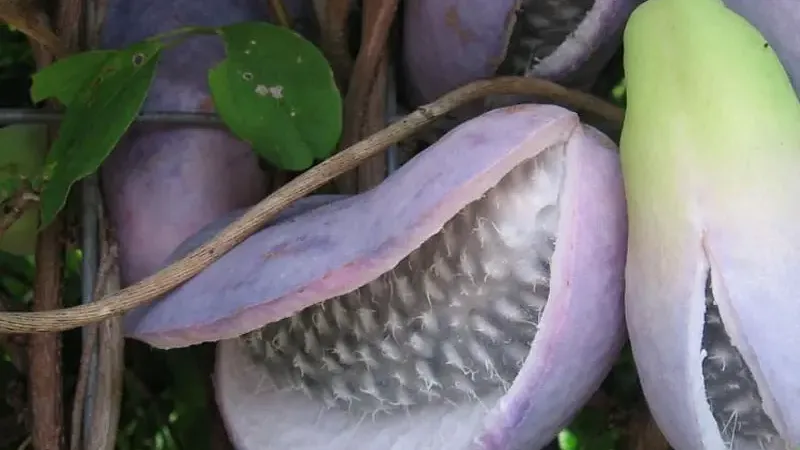
Die Frucht der Akebie ist ein botanisches Unikat. Sie ähnelt einer länglichen Hülse, die bei voller Reife der Länge nach aufplatzt und ein süßes, weißes, geleeartiges Fruchtfleisch voller schwarzer Samen preisgibt. Genau dieses natürliche Aufplatzen ist die größte agronomische Herausforderung, da es die Haltbarkeit der Früchte drastisch verkürzt. Wissenschaftler haben daher herausgefunden, dass der ideale Erntezeitpunkt kurz vor dem Aufplatzen liegt, wenn Geschmack und Nährwert am höchsten sind, die Frucht aber noch fest genug für Transport und Lagerung ist.
2. Phytochemisches Mosaik: Jeder Teil der Frucht ist ein Schatz
Die Analyse der Akebie hat etwas Faszinierendes gezeigt: Ihr Wert liegt nicht nur im süßen Fruchtfleisch. Jeder Teil der Frucht ist ein einzigartiges Reservoir an wertvollen Substanzen, was die Türen für eine komplexe, abfallfreie Verarbeitung öffnet.
Fruchtfleisch: Das süße und nahrhafte Herz
Es ist der primär essbare Teil, reich an Zucker (insbesondere Fruktose und Glukose), Proteinen, Vitamin C und Mineralstoffen wie Kalium und Magnesium. Es enthält Hunderte verschiedener Metaboliten, darunter Terpenoide und Flavonoide, die zu seinen gesundheitlichen Vorteilen beitragen.
Schale (Perikarp): Die konzentrierte Apotheke
Oft als Abfall betrachtet, ist die Schale tatsächlich der reichste Teil der Frucht! Sie ist die Hauptquelle für Triterpensaponine, die wichtigsten heilenden Inhaltsstoffe in der traditionellen Medizin. Sie enthält auch viel mehr Polyphenole und Flavonoide als das Fruchtfleisch und ist extrem reich an Pektin (bis zu 20 %).
Samen: Eine unterschätzte Quelle für Öl und Protein
Die harten Samen, die normalerweise weggeworfen werden, sind ein wahrer Nährstoffschatz. Sie enthalten bis zu 49 % hochwertiges Öl mit einer günstigen Fettsäurezusammensetzung (ähnlich wie Olivenöl) und bis zu 15,6 % Protein mit einem höheren Gehalt an essentiellen Aminosäuren als Soja oder Erdnüsse. Neueste Forschungen haben zudem gezeigt, dass gerade der Extrakt aus den Samen die stärksten krebshemmenden Wirkungen hat.
3. Pharmakologisches Potenzial: Von der Tradition zur gezielten Therapie
Die moderne Wissenschaft bestätigt, was die traditionelle Medizin ahnte. Die bioaktiven Substanzen der Akebie haben starke und nachweisbare Auswirkungen auf die menschliche Gesundheit.
Entzündungshemmende und immunmodulierende Wirkungen
Der Schalenextrakt kann chronische Entzündungen wirksam unterdrücken, indem er wichtige pro-inflammatorische Signalwege in den Zellen (NF-κB und MAPK) blockiert. Polysaccharide aus den Früchten stimulieren wiederum das Immunsystem und verbessern die Fähigkeit der Immunzellen, Krankheitserreger zu zerstören.
Antitumorale Aktivität: Die vielversprechendste Entdeckung
Am beeindruckendsten sind die Forschungsergebnisse zu den krebshemmenden Wirkungen. Eine zentrale Erkenntnis ist, dass Extrakte aus der Akebie (insbesondere aus den Samen) selektiv zytotoxisch sind – sie können Krebszellen zerstören, während sie gesunde Zellen unbeschädigt lassen. Diese Wirkung ist komplex:
- Sie stoppen das Tumorwachstum, indem sie den Zellzyklus blockieren.
- Sie lösen den programmierten Zelltod (Apoptose) in Krebszellen aus.
- Sie verhindern die Metastasierung, indem sie die Fähigkeit der Tumorzellen zur Migration und Ausbreitung im Körper unterdrücken.
Diese Wirkungen wurden an Zelllinien von Lungen-, Leber- und anderen Krebsarten bestätigt.
4. Die Zukunft der Akebie: Von der wilden Liane zur Superfrucht des 21. Jahrhunderts
Die Akebie steht an der Schwelle zu einer neuen Ära. Sie ist nicht mehr nur eine Kuriosität, sondern eine Plattform für Innovationen in vielen Branchen.
Züchtung und Lebensmittelindustrie
Die Zukunft gehört Sorten mit größeren Früchten, weniger Samen und längerer Haltbarkeit. Neben frischem Obst werden aus Akebie Marmeladen, Weine und funktionelle Getränke hergestellt. Die Schale dient als Pektinquelle und die Samen als Quelle für Premium-Öl und pflanzliche Proteine.
Pharmazie und Materialwissenschaft
Gezielte Extrakte aus den Samen sind vielversprechende Kandidaten für die Entwicklung neuer Krebsmedikamente. Das Pektin aus der Schale wird bereits für die Herstellung von biologisch abbaubaren Verpackungen, Hydrogelen zur Wundheilung und sogar als umweltfreundlicher Korrosionsschutz für Stahl getestet.
Potenzial der Akebie: Zusammenfassung der abfallfreien Nutzung
| Teil der Frucht | Schlüsselinhaltsstoffe | Zukünftige Nutzung |
|---|---|---|
| Fruchtfleisch | Zucker, Vitamine, Aminosäuren | Frisches Obst, Marmeladen, Weine, funktionelle Getränke |
| Schale | Triterpensaponine, Pektin, Polyphenole | Pharmazeutische Extrakte, Nutrazeutika, natürliche Verdickungsmittel, Biomaterialien |
| Samen | Hochwertiges Öl, Proteine, Flavonoide | Speiseöl, pflanzliche Proteinquelle, gezielte Krebsextrakte |
Fazit
Die Akebie ist weit mehr als nur eine interessante Frucht. Sie ist eine komplexe Bioraffinerie und ein Paradebeispiel dafür, wie die moderne Wissenschaft das volle Potenzial natürlicher Ressourcen erschließen kann. Ihr Weg von der traditionellen Medizin zur innovativen Nutzpflanze des 21. Jahrhunderts hat gerade erst begonnen, und wir sind begeistert, dabei zu sein.
Entdecken Sie den Zauber des ,,Schokoladenweins"
Entdecken Sie den Zauber des ,,Schokoladenweins" und holen Sie sich diese einzigartige und vielversprechende Pflanze in Ihren Garten.
Möchten Sie noch mehr erfahren?
Dieser Artikel ist nur der Anfang. Wenn Sie tiefer in die Welt des Anbaus eintauchen, exklusive Tipps und vorzeitigen Zugang zu Artikeln erhalten möchten, werden Sie Teil unserer Community!
Folgen Sie uns auf unserer Facebook-Seite und seien Sie immer einen Schritt voraus.
Was hat Sie an der Akebie am meisten fasziniert – ihr Geschmack, ihre heilenden Wirkungen oder ihr innovatives Potenzial? Lassen Sie es uns in den Kommentaren wissen!
Verwandte Produkte