





































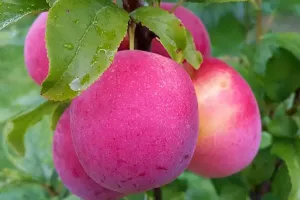



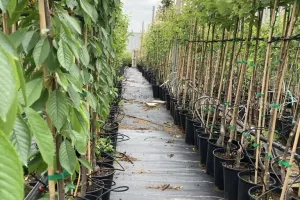

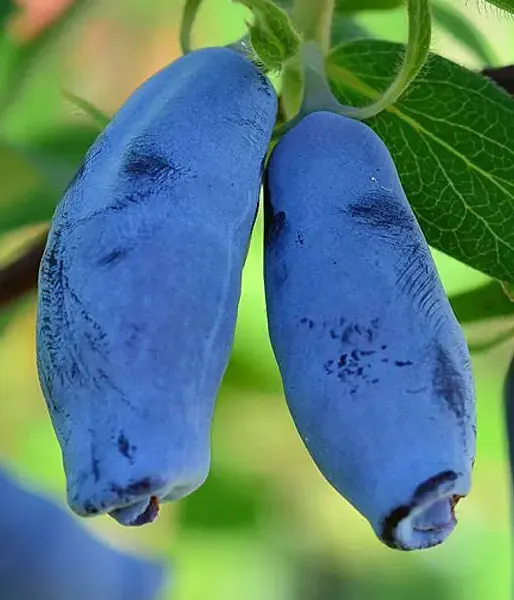
Kamtschatka Blaubeeren



Verfügbarkeit: Auf Lager
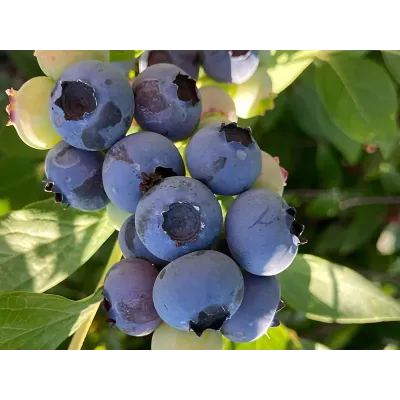
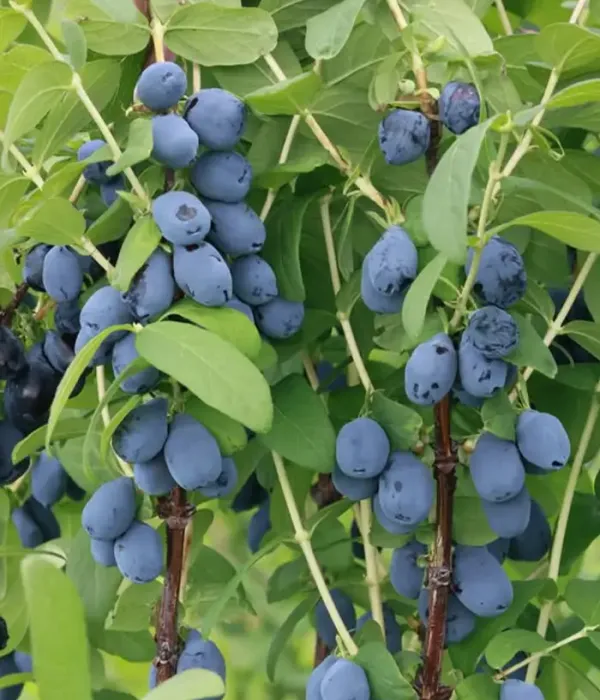
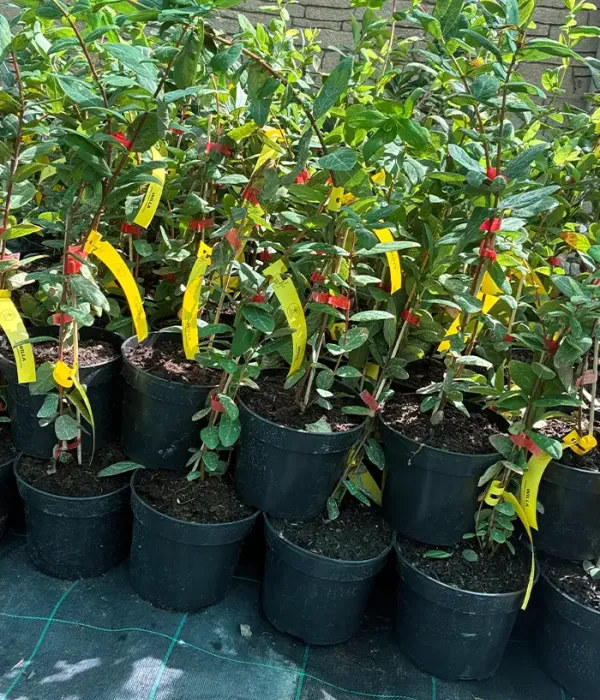
Die Kamtschatka-Heidelbeere Vostorg kommt aus Russland. Es handelt sich um eine Dessertsorte, die sich zum Rohverzehr oder zum Einfrieren eignet. Sie ..
- Verkaufshöhe: 50 cm
- Topf: C2
- Verkaufen als: 3 Jahre alt
- Reifezeit: Juni
Preise
12.90€
Exkl. Steuer:12.06€
Neu
Brand: Tutifruti
Verfügbarkeit: Auf Lager
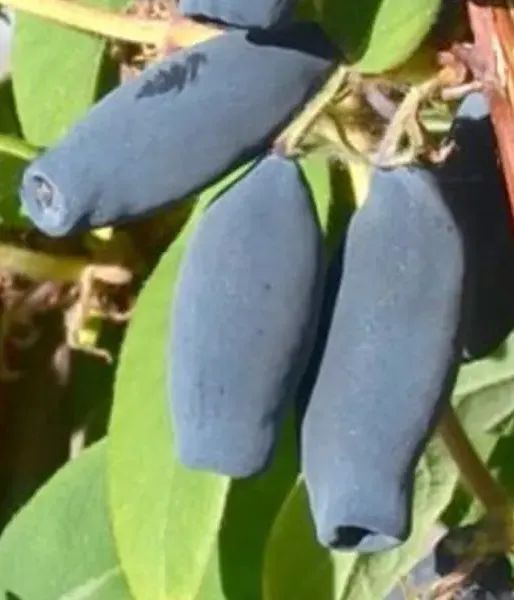
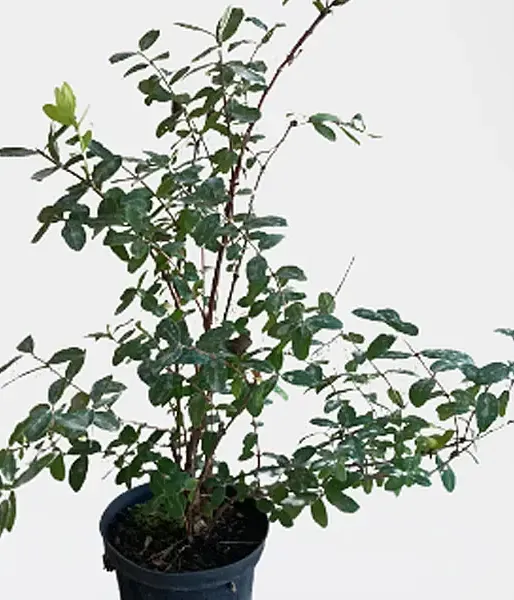
Haskap-Beere 'Willa®' (Kamtschatka-Heckenkirsche)
Vielseitige amerikanische Lizenzsorte mit großen, gleichmäßigen Früchten, ideal für die maschinel..
- Verkaufshöhe: 40-50cm
- Topf: C2
- Reifezeit: Juni
Preise
17.12€
Exkl. Steuer:16.00€
Verfügbarkeit: Auf Lager
Wojtek ist eine bewährte Sorte des ursprünglich aus Sibirien stammenden Kamtschatka-Mehltaus (Lonicera caerulea), die für ihre frü..
- Verkaufshöhe: 50cm
- Topf: C2
- Verkaufen als: 2 Jahre alt
- Reifezeit: Mai/Juni
Preise
12.90€
Exkl. Steuer:12.06€

Brand: Tutifruti
Verfügbarkeit: Auf Lager
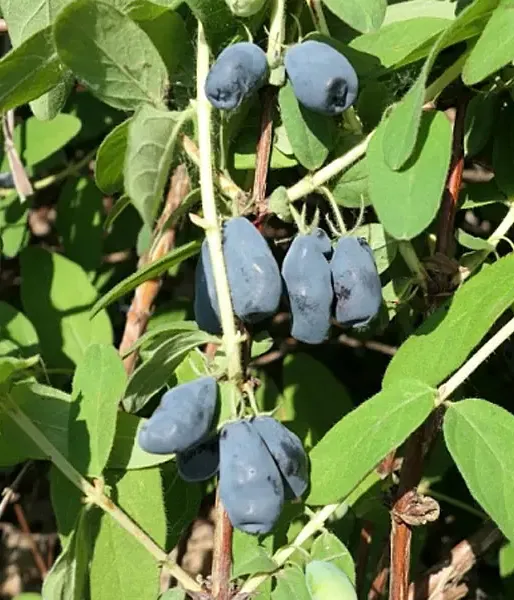
Lonicera kamtschatica cultivar Zojka gehört zu den relativ jungen Sorten bzw. Neuzüchtungen, die sich jedoch aufgrund ihrer Produktivitä..
- Verkaufshöhe: 60cm
- Topf: C2
- Verkaufen als: 3 Jahre alt
- Reifezeit: Mai
Preise
12.90€
Exkl. Steuer:12.06€