







































Best Russian Blackcurrant Varieties for Your Garden

Giants from the North: Russian Blackcurrant Varieties
Discover exceptionally hardy, large-fruited, and high-yielding varieties that survive even the harshest winters.
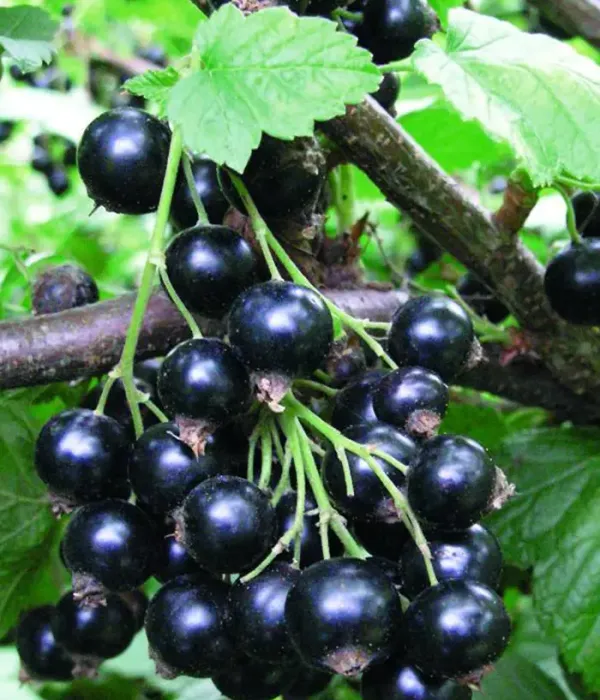
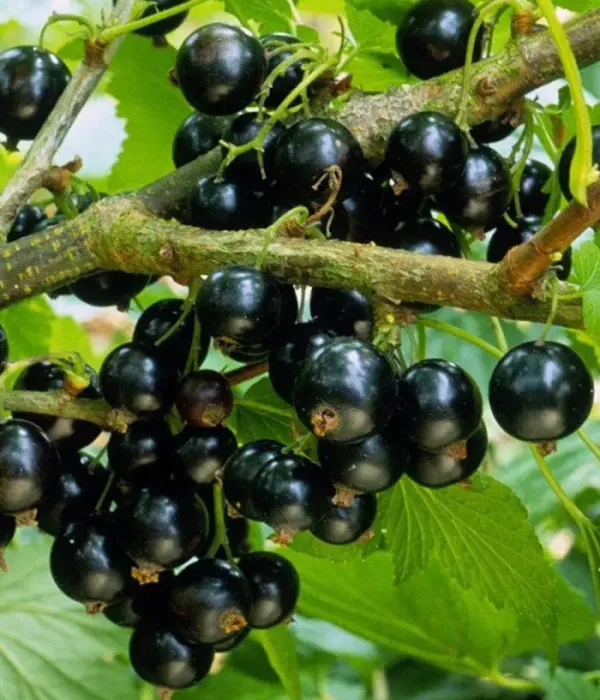
Russian breeding stations hold an excellent reputation in the horticultural world, especially regarding soft fruit. In the harsh climates of Siberia and northern Russia, plants must withstand extremes – severe frosts, temperature fluctuations, and pest pressure. Decades of breeding have resulted in blackcurrant varieties that amaze not only with their hardiness but primarily with unparalleled berry size and excellent dessert flavor.
We present five proven varieties that have found their way into many European gardens thanks to their extraordinary qualities.
|
Up to 7.8 g
Maximum weight of a single berry (Yadrenaya)
|
4.5 kg
Average yield per adult bush
|
5/5
Dessert flavor rating (Veloy)
|
← Swipe the table sideways →
1. Chorniy Zhemchug: The Reliable Black Pearl
Registered in 1992, 'Chorniy Zhemchug' (translated as "Black Pearl") is one of the most proven staples. It is valued for its high frost hardiness and stable yield. The berries are large (1.3–1.4 g), with a refreshing sweet and sour taste. The bush has moderate vigor and is highly self-pollinating, meaning it yields abundantly even without another pollinator. It is also highly resistant to the dangerous blackcurrant gall mite.
2. Leningradskiy Velikan: A Large-Fruited Dessert
As the name suggests, 'Leningradskiy Velikan' (Leningrad Giant) is known for its massive berries (up to 2.2 g) and strong, upright growth (up to 160 cm). It boasts top-tier dessert flavor with a distinct aroma. The berries have thin yet firm skin, which prevents splitting and allows for a dry stem scar when picked.
Warning for Growers
Although 'Leningradskiy Velikan' has amazing fruit, it has lower resistance to anthracnose and powdery mildew. In colder and wetter years, it requires preventive protection and good bush aeration through pruning.
3. Selechenskaya: The Sweet Champion
An early variety with extremely large berries (2.2 – 5.0 g) and an almost perfect flavor rating (4.9/5). It is fully resistant to powdery mildew and handles frost well. However, to reach its full potential and maintain berry size, 'Selechenskaya' requires highly fertile soil and regular feeding. It ripens very evenly, making harvesting easier.
4. Veloy: Perfection from Pavlovsk
The 'Veloy' variety (also known as Leningradskaya Sladkaya) is a crossbred plant that inherited the best traits. Its dessert flavor received full marks in tastings (5/5). Berries reach up to 3.5 g, and the bush enters its fruiting stage very early. Compared to other large-fruited varieties, 'Veloy' is exceptionally vigorous – handling fungal diseases and drought excellently, making it ideal for organic gardens.
5. Yadrenaya: The Siberian Extreme
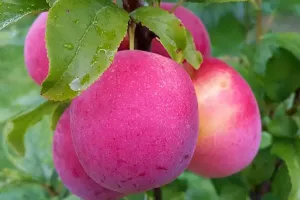
This unique Siberian variety breaks records. Its berries commonly reach 2.5 – 5.5 g, with rare specimens weighing a staggering 7.8 g – resembling small plums or cherries. The skin is thick and firm, while the taste is rather sharp, refreshing, and tart (higher acid content). The 'Yadrenaya' variety is built for the harshest conditions.
Maximum Berry Size Comparison
For context, standard European blackcurrant varieties have a berry weight of around 1 gram. See how Russian large-fruited varieties stack up.
| Yadrenaya (Extreme size) | Max 7.8 g |
| Selechenskaya | Max 5.0 g |
| Veloy | Max 3.5 g |
| Leningradskiy Velikan | Max 2.2 g |
| Chorniy Zhemchug | Max 1.4 g |
← Swipe sideways →
Summary of Characteristics
| Variety | Harvest Time | Taste Rating | Health Status |
|---|---|---|---|
| Chorniy Zhemchug | Mid-early (July) | Sweet & sour | Resistant to mites |
| Leningradskiy Velikan | Mid-early | Dessert (4.5/5) | Prone to diseases |
| Selechenskaya | Early | Very sweet (4.9/5) | Powdery mildew resistant |
| Veloy | Mid-late | Perfect (5/5) | Highly resistant overall |
| Yadrenaya | Mid-late | Refreshing, tart | Hardy, but ages faster |
← Swipe the table sideways →
Basic Rules for Successful Cultivation
Rich Nutrition: Large-fruited varieties (especially Selechenskaya and Yadrenaya) require high-quality compost and regular feeding to maintain berry size.
Rejuvenation Pruning: Russian varieties, particularly Siberian ones, tend to age faster. Remove the oldest branches annually so the bush does not lose vitality.
Timely Harvest: Do not let varieties with thinner skins (like Veloy) overripen on the bush, or the berries may start to split.
Neglecting Pruning: For varieties prone to fungal diseases (Leningradskiy Velikan), a dense and poorly aerated bush guarantees problems.
Russian blackcurrant breeding has shown us that a currant doesn't have to be just a small sour fruit. It can be a robust bush yielding cherry-sized berries with a flavor that captivates every grower.
Add Large-Fruited Currants to Your GardenLooking for resilient bushes that will surprise you with rich harvests and huge berries? Browse our selection of premium blackcurrant plants and choose a variety tailored to your conditions. Buy Blackcurrant Plants |
Join Fruit-Growing EnthusiastsExchange growing experiences, ask about varieties, and share your harvest in our Facebook community full of enthusiastic gardeners, discuss with experts, and get early access to articles. Join us on Facebook |
Related Products