





































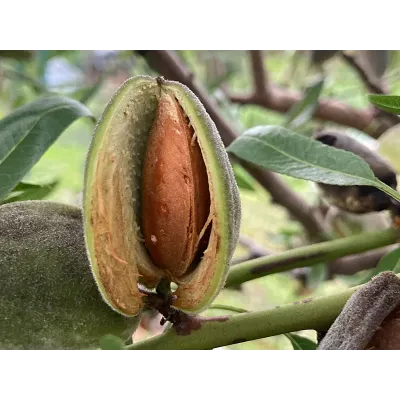







Figs Under the Scientific Microscope: How to Grow the Mediterranean Treasure

Figs Under the Scientific Microscope: How to Grow the Mediterranean Treasure
From the mystery of pollination to extreme cold hardiness. Discover the facts that will make a fig tree thrive in your garden.
The common fig (Ficus carica) is one of the oldest cultivated plants in human history. Its cultivation dates back millennia, originally native to the Middle East and the Mediterranean. Today, however, thanks to advances in breeding and a deeper understanding of the plant's biology, we can successfully harvest sweet figs even in the cooler climates of Central Europe.
Growing figs in cooler regions is often accompanied by several myths. Let's look at what science says about their pollination, cold hardiness, and nutritional profile.
The Pollination Mystery: Why Do Figs Fruit Here at All?
In their native Mediterranean environment, fig trees live in strict symbiosis with a tiny insect – the fig wasp (Blastophaga psenes). This wasp is the only creature in the world capable of pollinating figs. The problem is that this wasp cannot survive the winter in our latitudes. So how is it possible that fig trees in our gardens produce fruit?
Scientific Fact: Parthenocarpy
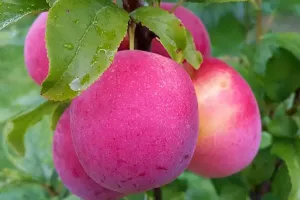
The answer is a botanical phenomenon called parthenocarpy. Breeders have selected the so-called Adriatic type of fig trees. These varieties have a genetic mutation that allows them to develop a full, sweet, and juicy fruit without the flower ever being pollinated. The fruits of parthenocarpic figs do not contain viable seeds, which is actually a huge advantage for the average consumer.
Harvest Anatomy: Breba vs. Main Crop
Another fascinating feature of the fig tree is its ability to produce two distinct crops in a single year. For growers in cooler regions, understanding this cycle is crucial for proper pruning.
| Crop Type | Where it Forms | Ripening Time | Characteristics |
|---|---|---|---|
| Breba (Spring crop) | On last year's (old) wood | July – August | Fewer fruits, but they are usually significantly larger. |
| Main (Autumn crop) | On current year's (new) growth | September – October | Many fruits, smaller in size, and often sweeter. |
← Swipe the table sideways →
Beware of Heavy Pruning
If you prune a fig tree too heavily in the spring (removing all of last year's wood), you will completely eliminate the first crop (breba). Moreover, in cooler years, the main autumn crop might not have enough time to ripen before the frosts arrive. Therefore, it is recommended to prune fig trees only lightly to thin them out.
Cold Hardiness: Which Varieties Survive Winter?
The cold hardiness of fig trees is determined by the age of the wood. While young, unripened one-year-old saplings can suffer frost damage at just -5 °C, older trees with thick trunks show surprising resilience. Breeders have selected varieties specifically adapted to survive in colder zones.
Cold Hardiness Comparison of Mature Wood by Variety
| Hardy Chicago / Francuesco | down to -20 °C |
| Brown Turkey / Celeste | down to -18 °C |
| Standard Mediterranean varieties | down to -10 °C |
Values apply to fully hardened wood of older plants in a sheltered location.
← Swipe sideways →
Nutritional Profile: Why Eat Figs?
From a scientific perspective, figs are considered a functional food. They are extremely rich in dietary fiber, which supports digestive health. They contain significant amounts of potassium (important for blood pressure regulation) and calcium for bone health.
Quick Growing Guide
Location: Choose the warmest spot in the garden, ideally against a south-facing wall that accumulates heat.
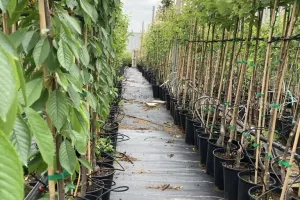
Winter Protection: For the first 2 to 3 years, grow the fig tree in a large pot and overwinter it in a cool garage or cellar. Plant only older, woody plants in the open ground.
Water: Although mature fig trees tolerate drought well, they need regular watering during fruit formation, otherwise, they will drop the fruit.
Thanks to parthenocarpy and the breeding of cold-hardy varieties, the fig tree has evolved from an exotic dream into a real and abundantly fruiting part of cooler climate gardens.
Grow Your Own Sweet FigsBuy Fig Trees |
Join Fruit-Growing EnthusiastsExchange experiences on overwintering figs, ask about proper pruning, and share your harvest in our Facebook community full of enthusiastic gardeners. Join us on Facebook |